

Building Detail-Oriented Habits

How does standing in a ready stance lead to academic success?
People don't always see the point of the structured rituals in a martial arts class. Why do students need to stand in a ready stance? Why line up shoes heels-to-the-mat? Why sit a certain way? If the goal is self-defense, all of that seems like overkill.
It isn't. And it's not just about discipline either. Those rituals teach students to be mindful — of themselves, their actions, and their surroundings.
They also teach students to be detail-oriented.
I'd like to draw an analogy to KIPP Schools — or more accurately, to the academic success of the students who attend them. KIPP demands a lot of structure from its students, right down to how they stand and how they hold their binders. There are clear parallels to martial arts, and they both come back to the same truth:
Structured tasks that build detail-oriented habits lead to greater success — in school, in careers, and in life.
This kind of habit-building reinforces self-discipline, which research has shown is a stronger predictor of high GPAs than IQ. And it goes well past academics. That same attention to detail and self-control is what makes someone effective in any pursuit, at any age.
The next time you're in class, pay attention to even the smallest things — how you sit, how you stand, how you tie your belt. You're not just being formal. You're practicing mindfulness and building habits that follow you out the door and into the rest of your life.
Train hard. Train mindfully.
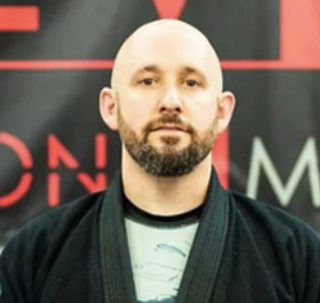
Josh Moree
Shihan Moree is the Founder and Chief Instructor at Evolution X Martial Arts. Practicing martial arts since the 1990s, he builds practical, honest training programs for adults and kids.
Related Articles

The Role of Parents in Reinforcing Discipline
Discipline isn't built by showing up alone — it's reinforced at the dojo and at home. Here's how parents can help kids stick with martial arts when motivation fades.