

The 'Cult of Personality' in Martial Arts

A great martial arts instructor can have a profound, positive impact on a student's life. They don't just teach techniques and forms — they pass on discipline, self-control, perseverance, and a sense of confidence that carries into every corner of life. That's the power of the martial arts journey done right.
But there's a darker side worth talking about: the "cult of personality" that can form around certain instructors. A black belt around someone's waist doesn't make them a saint. Instructors are still people, with flaws, blind spots, and egos like anyone else.
And not every instructor has their students' best interests at heart. When the wrong personality combines with the natural respect students give a teacher, things can go sideways — control, manipulation, degradation, or outright abuse.
If you're a student (or a parent of one), here are the warning signs.
Controlling Behavior
One of the clearest signs of a cult-of-personality dynamic is excessive control. This shows up as micromanaging a student's training or dictating who they can and can't train with. Controlling instructors often try to isolate students from outside instructors or schools and discourage them from seeking knowledge anywhere else.
A confident instructor doesn't need to lock the gate — they make their school the place students want to be.
Manipulative Behavior
Manipulation is another red flag. Instructors who've built a cult of personality often use flattery and praise to inflate their own importance in a student's life, then flip to guilt and shame when they want something. The student ends up working to maintain the instructor's approval rather than to grow as a martial artist.
Degrading or Abusive Behavior
The worst sign is degrading or abusive behavior — belittling, shaming, or insulting students to maintain control. This isn't "tough love" or "old-school." It's emotionally damaging, and it can become physically dangerous when an instructor pressures students into unsafe practices to prove loyalty or toughness.
Instructors Aren't Infallible
It's natural to look up to someone who has achieved a high level of skill. But putting any instructor on a pedestal is risky. They're still human. A good instructor encourages and supports their students, welcomes them to train at seminars and other schools to broaden their knowledge, and isn't threatened by it. A great instructor wants their students to surpass them.
What to Watch For
If your instructor — or your child's — shows controlling, manipulative, or degrading behavior, take it seriously. Trust your gut. A good dojo is a community of mutual respect, not a fan club. By knowing the warning signs, you can make sure your martial arts journey is everything it should be: safe, challenging, and genuinely rewarding.
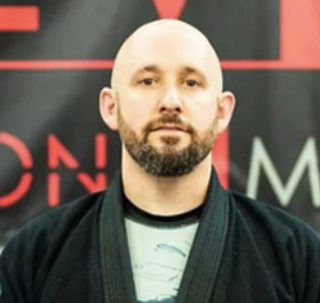
Josh Moree
Shihan Moree is the Founder and Chief Instructor at Evolution X Martial Arts. Practicing martial arts since the 1990s, he builds practical, honest training programs for adults and kids.
Related Articles

Making It Stick: How We Actually Teach Martial Arts at EVX
Different schools teach martial arts in very different ways. Here's the approach we use at EVX — drawn from coaching science and behavioral psychology — to help techniques actually stick.