

Making It Stick: How We Actually Teach Martial Arts at EVX

Walk into ten different martial arts schools and you'll see ten different approaches to teaching and motivation. Some are great. Some are stuck in the 1980s. The way an instructor structures a class makes an enormous difference in how much of it actually gets retained — and whether students keep showing up to learn more.
At EVX, we lean on a mix of coaching science and behavioral psychology to make sure what we teach genuinely sticks. Here are the principles behind how we run class.
Stimulus Over Punishment
Old-school dojos leaned heavily on punishment — push-ups for mistakes, public shame for slow learners. It works in the short term and corrodes everything else. We build with positive stimulus instead: clear feedback, recognition for effort, and challenges that pull students forward rather than threats that push them around.
Self-Exploration, Guided by a Coach
We don't believe in spoon-feeding every detail. Students learn faster and retain more when they have to work things out — under the guidance of an instructor who knows what to point at and when to let them struggle. The instructor is a coach, not a vending machine.
Deliberate Practice
Mindless reps don't build skill. Deliberate practice does — slow, focused, attentive work on the parts of a technique that aren't yet automatic. A few minutes of deliberate practice beats an hour of going through the motions.
Quizzing Over Lecture
Telling someone something is not the same as them knowing it. We mix in live questioning, partner drills, and pressure-tested scenarios so students have to retrieve what they've learned, not just sit through it. Retrieval is what builds long-term memory.
Immediate Feedback
The longer you wait to correct a mistake, the more it sets. We give feedback in the moment — short, specific, and actionable.
Micro Training
Big concepts break down into small pieces. A whole self-defense flow might be ten micro-skills stacked together. We isolate each piece, drill it cleanly, then layer them back into the whole.
Be Slow to Be Fast
This is one of the oldest and most ignored truths in martial arts. Speed without control is just thrashing. We train slow first so the movement is correct, then we layer speed and intensity once the technique is honest.
Mindfulness of Emotion
A frustrated student doesn't learn. A scared student doesn't learn. Part of teaching is helping students notice what's going on inside them — and giving them tools to keep the technical brain online when the emotional brain wants to take over.
Draw Analogies
The right metaphor unlocks a technique faster than ten reps. We use everyday analogies — how you pour from a pitcher, how you shut a heavy door — to help students feel what a movement should feel like.
Make It Real
Pretty technique is fine. Functional technique is the point. We pressure-test under realistic conditions so what you learn in class is what you can actually do under stress.
Patience and Empathy
Every student is at a different place on the journey. Some pick up combinations in one rep. Some take a hundred. Our job is to meet them where they are and walk with them — not lecture them about where they "should" be.
Build Habits
Skill is a byproduct of habit. We help students build habits around training: showing up consistently, drilling between classes, paying attention to detail. Habits do the heavy lifting that motivation can't.
This is what "making it stick" looks like in practice. It's not magic, and it's not a single secret technique. It's a system — one we keep refining every year so that what you learn in our dojo follows you for life.
Train hard. Train smart.
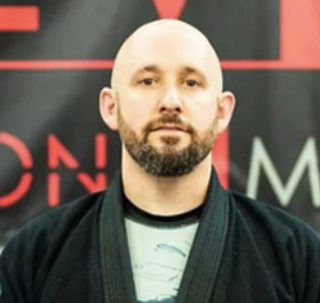
Josh Moree
Shihan Moree is the Founder and Chief Instructor at Evolution X Martial Arts. Practicing martial arts since the 1990s, he builds practical, honest training programs for adults and kids.
Related Articles

The 'Cult of Personality' in Martial Arts
A great instructor can change your life. A bad one can wreck it. Here are the warning signs of a "cult of personality" in martial arts — and what a healthy dojo actually looks like.